ed - this review has mild spoilers
Batman vs Superman is
arguably the biggest superhero film disappointment yet. It had the potential to
be incredible but unfortunately, because the people who made it opted for
spectacle as opposed to meaningful storytelling, it is pretty much D.O.A. Directed by Zack Snyder, BvS is a failure that dooms the DC
cinematic universe before it has even begun in earnest. The dialogue is cheesy,
the plot is lame, the narrative doesn’t make sense and it does not in any way breed
confidence about DC Comics and Warner Brothers’ potential to deliver stories about
this stable of iconic heroes at a level that even comes close to the excellence
of the Marvel Cinematic Universe.

The best description I have found of the plot is that Batman vs Superman “is about a
billionaire vigilante who picks a fight with a super-powered alien for
accidentally toppling one of his skyscrapers” (see footnote) and then stops hurting him because because he realises that their mothers both share the
same name. Most of the performances in this film are deeply one-dimensional and campy,
barring Ben Affleck as Batman and Gal Gadot as Wonder Woman, whose extremely
brief screen time brings some kind of joy to otherwise grim
proceedings.
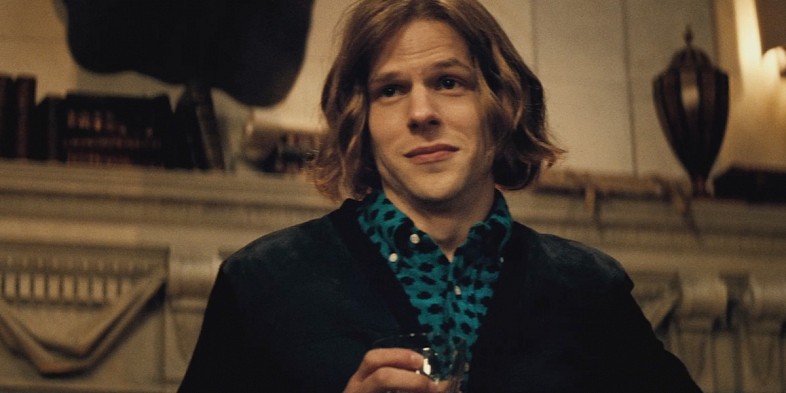
This film also happens to have Jessie Eisenberg playing Lex
Luthor as an over-the-top combination of evil Mark Zuckerberg and the Riddler. Lex is a
billionaire genius villain who has a penchant for peeing in jars and delivering
over the top platitudes about gods and devils. Amy Adams plays Lois Lane, reprising
her role from Man of Steel wherein
she is used as a convenient excuse for superman to appear and show some kind of
pathos, and to move objects from place to place to further the
story. Jeremy Irons' snarky, and
frankly irritating, take on Alfred Pennyworth, Bruce Wayne’s loyal butler,
should probably go down as the character's worst ever representation on-screen.

Some may say that it is wrong to compare the Marvel
Cinematic Universe to DC’s attempts to establish their own cinematic playground, because it’s a
different universe with different characters. But to be fair, Marvel have at least
prioritized the right things in their world building, such as well-rounded character over senseless
spectacle, such as narrative tightness over indulging fanboys at every turn,
such as necessary bouts of humour over total grim apocalypse. The most important difference is this: Marvel
make good movies that make sense. I was about 6 scenes into Batman vs Superman before I knew what
was going on. Whole scenes in this film were totally extraneous to the plot, and
were simply put in to indulge the base instincts of fans, including an alternate universe scene that was unnecessary.

Easter Eggs, which refer to teasers for upcoming films or
hidden characters, and their use in Batman V Superman is a great manifestation
of the difference between Marvel’s and DC’s cinematic efforts. Marvel uses Easter
eggs sparingly to excite, surprise and delight fans, and place pre-eminence of
actual storytelling and character development. When I saw Howard the Duck at
the end of Guardians of the Galaxy, I laughed. In this film, the Easter eggs are obvious and inconsequential to the plot, thus becoming boring and
underwhelming. The best example is when they introduce clips of each future
member of the Justice League on a computer screen. It should've been cool but it wasn't. I didn’t gasp for joy. I just cringed and
shook my head.

So what is good about this film? It is watchable. The
spectacle and action are, at times, enthralling. The showdown between Batman
and Superman is well executed. Ben Affleck delivers a new take of Batman, who
is psychotic and kills people (totally unlike the source material), but he
sells it well and it works.

I don’t think this is a good film at all, but I will accept
that it’s not THE WORST comic book movie of all time. It’s not as bad as pointy-nippled George Clooney and the deeply punny Arnold Schwarzenegger in Batman & Robin, but it’s definitely at the same level as Batman
Forever, Amazing Spider-Man 2 and X-Men 3. The film smacks of self-indulgent
writers, directors and studios who are infatuated with their conception of
what they think the fans want. They think audiences want senseless action and
amazing special effects. But they’re wrong – audiences want to have a good time
watching characters they care about do amazing things. Unfortunately, Snyder
and Warner Brothers have not made a film for the fans. It’s a film that
indicates that these stakeholders, who were entrusted with precious and iconic
stories to tell, only care about indulging their own egos. All they have done is regressed these iconic characters and in doing so, have
established a DC universe that is lame, cliché ridden, campish and that frankly
does not make any sense.
Watch this film if you liked: Elektra, Man of Steel,
Fantastic Four: Rise of the Silver Surfer, X-Men 3, Spiderman 3, Amazing
Spider-Man 2 and Green Lantern... or pretty much every crap super hero film ever.
Credit to
Rene Rodriguez, Miami Herald's review
Credit to
Rene Rodriguez, Miami Herald's review